

Ants Pizzeria
The project required the development of a complete digital communication ecosystem for Ants Pizzeria, a fictional South African restaurant brand. The work involved three interconnected components. First, a full brand creation process for digital platforms, including identity development, website concepting, copywriting, and visual direction. Second, the construction of a detailed crisis communication plan responding to a fictional but realistic reputational incident involving viral student backlash. Third, an analysis of influencer marketing and the selection of suitable collaborators who align with the brand’s values, audience, and tone. The brief emphasised strategy, human-centred communication, and the capacity to manage brand reputation across online and offline channels.
Scope
Brand identity development
Digital communication strategy
Website content and UI concepting
Copywriting and tone of voice construction
Crisis communication planning
Internal and external communication frameworks
Social listening and sentiment monitoring strategy
Influencer selection and marketing justification
Multi-platform communication execution



Welcome to Ants Pizzeria
Born from family traditions and baked with heart in South Africa, Ants Pizzeria is a cosy,
family-friendly spot where the pizza is always hot, the vibes are always happy, and everyone has a seat at the table.



TAKE A LOOK

The Brand
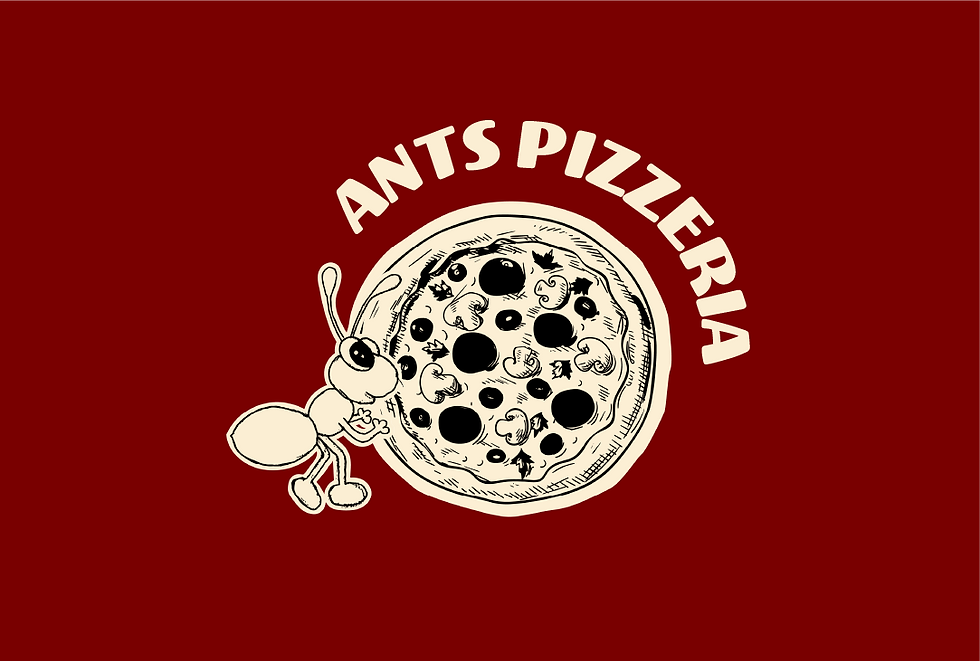
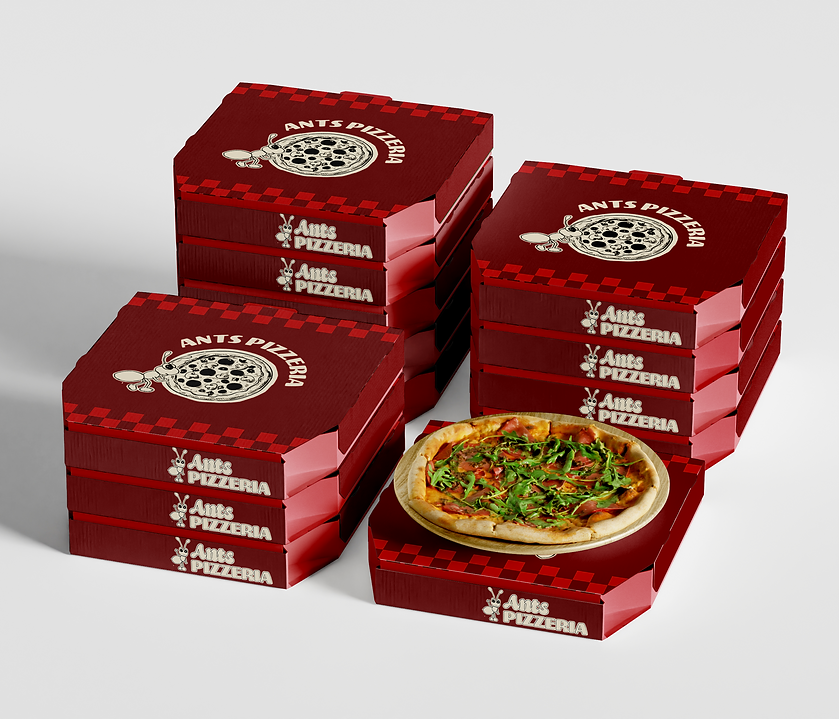
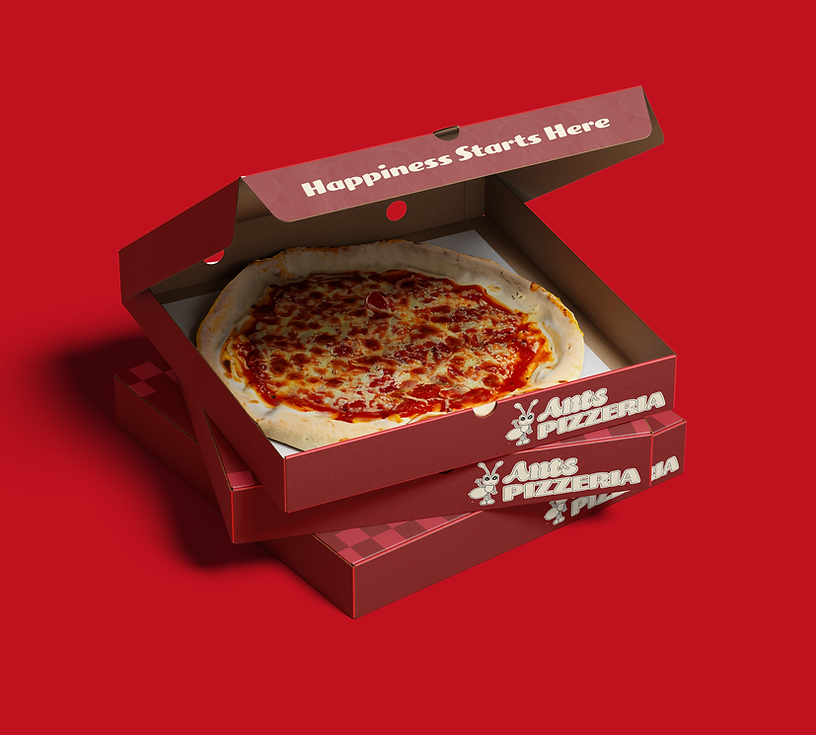
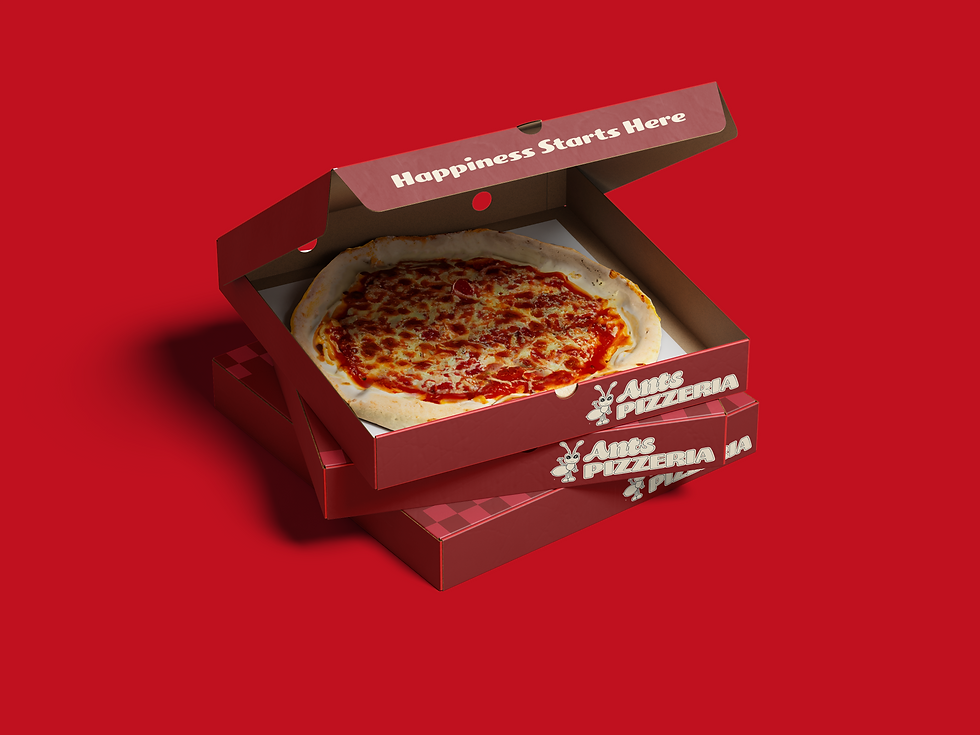
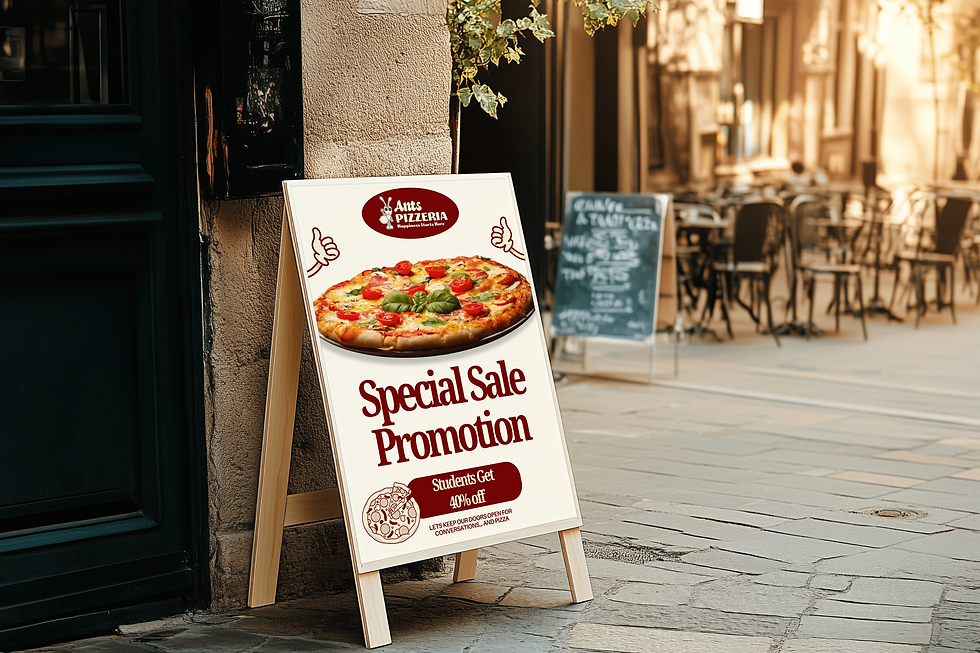
Ants Pizzeria is positioned as a warm, neighbourhood-focused restaurant that blends nostalgia with a contemporary sensibility. The colour palette anchors the brand in deep maroon and playful red tones, paired with soft off-white text to create a sense of comfort and familiarity. The visual identity is built around Ant, the illustrated mascot, who embodies friendliness and approachability. Sketch-style illustrations resemble stickers, creating a handcrafted aesthetic that supports the brand’s family-centred narrative.
The website concept expands this identity through light three-dimensional animation and motion elements that reinforce the feeling of a joyful, story-driven space. The brand voice uses conversational, warm language designed to mirror the experience of entering a local pizzeria, where community and belonging are central values.




The Approach
Crisis Communication Approach
The crisis communication component was developed around a fictional scenario in which Ants Pizzeria faced public backlash after a viral video circulated among Stellenbosch students. The clip, shared widely on X and TikTok, showed what appeared to be a discriminatory interaction between a student and a staff member. The video lacked context but gained momentum quickly, drawing criticism, calls for a boycott, and commentary from local student influencers.
The approach began by establishing a full crisis communication policy, guided by communication scholars such as Coombs, Fearn-Banks, and Skinner. This included defining roles, appointing a trained spokesperson, and developing a clear internal communication plan delivered through WhatsApp, email, and in-store briefings. A detailed social listening strategy was integrated to monitor sentiment, identify emerging misinformation, and adapt messaging in real time.
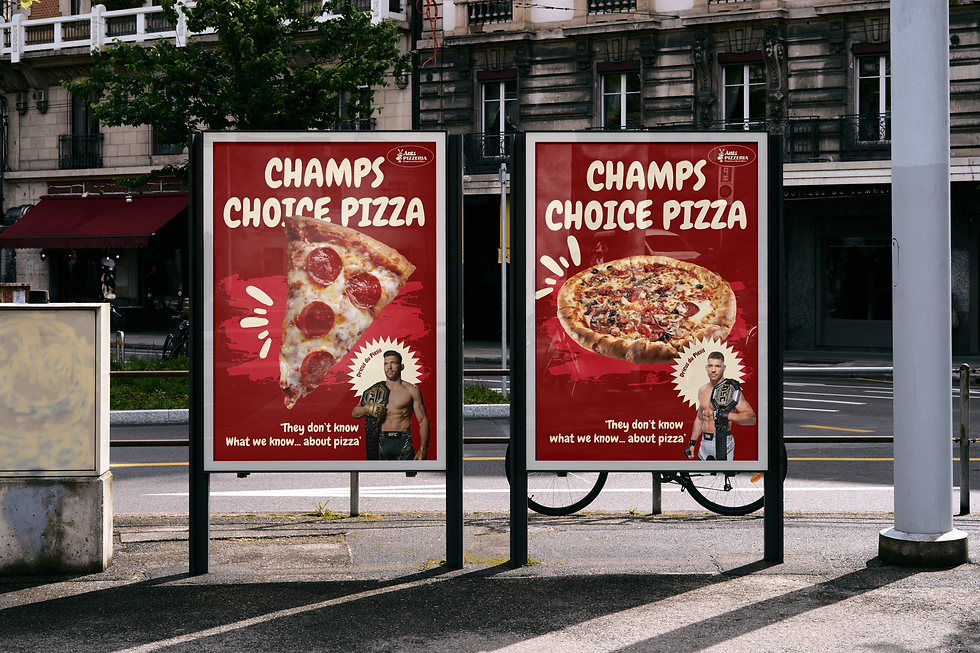
External messaging was designed for Instagram, X, and in-store posters, ensuring clarity, transparency, and emotional awareness. The plan also outlined scenario-based outcomes if the crisis improved, stagnated, or escalated, concluding with a post-crisis analysis phase to enhance future preparedness.

The Approach
Influencer Marketing Approach
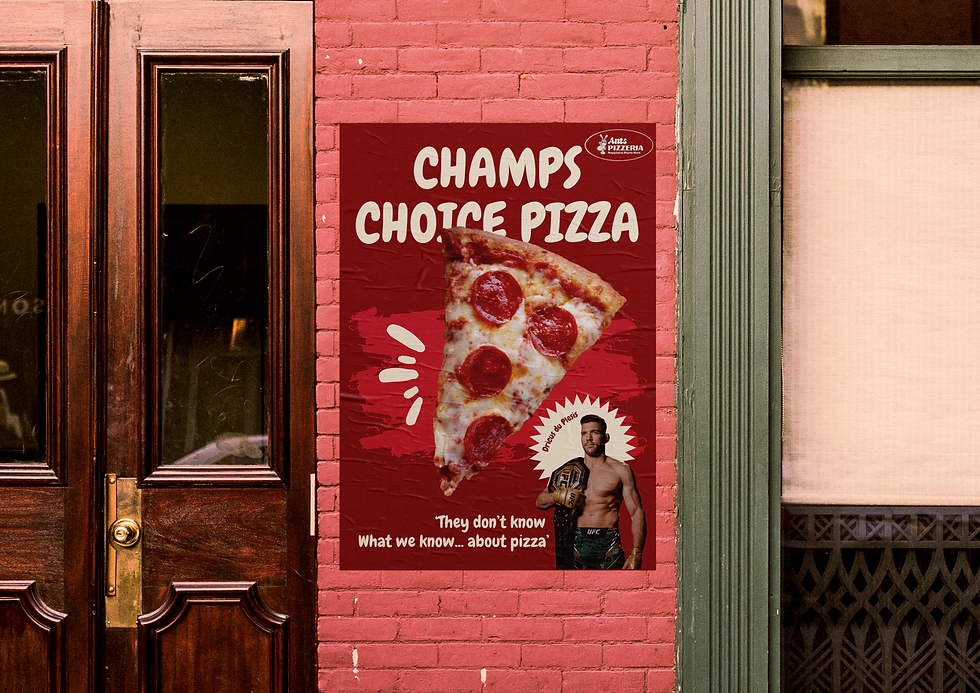
The final component addressed the value of influencer marketing for Ants Pizzeria. The strategy recognised that the brand’s core audiences, particularly students and young families, rely heavily on social platforms for discovery and trust-building. Influencers were selected based on authenticity, audience relevance, locality, and alignment with the brand’s warm, community-focused tone.
This section identified suitable South African food, lifestyle, and student content creators who could extend the brand’s reach and reinforce its reputation both during everyday marketing and in moments of reputational recovery. The justification outlined how influencer partnerships contribute to visibility, social proof, and long-term loyalty, especially for local hospitality brands competing in saturated markets.

End Result
The outcome was a comprehensive communication framework that demonstrated how a restaurant brand can build identity, manage risk, and sustain visibility in a digital landscape. The brand identity established a cohesive visual and verbal system that evokes warmth and community. The crisis communication plan provided a structured, evidence-based method for responding to reputational threats through transparency, empathy, and continuous monitoring. The influencer strategy offered a clear rationale for collaboration, showing how Ants Pizzeria could expand reach among students and local families.
Together, these components created a unified, strategically grounded project that illustrates how brand building, crisis preparedness, and influencer engagement operate as interconnected parts of a modern communication strategy.

Yummi
Brand Development and Promotional Strategy

Darling Collective
Entrepreneurship and Buisness Development

PORTFOLIO


LIKE WHAT YOU SEE?
GET IN TOUCH
